


Licensed Tradespeople. Qualifications Verified. Ready to Work.
New Zealand has a genuine shortage of licensed tradespeople. The national LBP, electrician and plumber pipelines are tight - and getting tighter. Trade Assist has spent a decade building a verified trades database across New Zealand.
We check every Licensed Building Practitioner class on the MBIE LBP register.
We verify electricians on the EWRB registry.
We confirm plumbers, gasfitters and drainlayers on the PGDB database.
A photo of a card is not verification. A database check is.
Licensed. Drug-tested. Ready to work.

Request staff for your next project
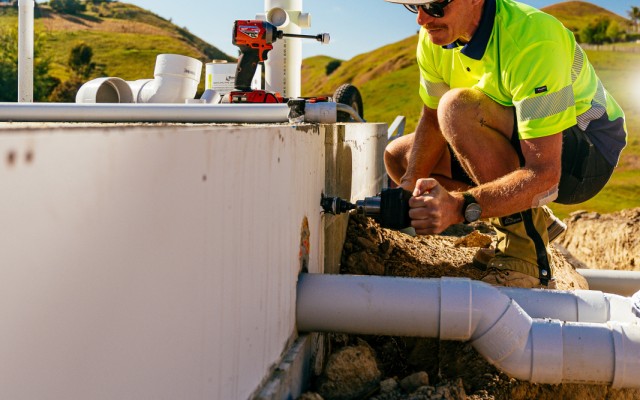
You need licensed tradespeople
Submit a brief with the trade required, licence class, work type (residential/commercial/industrial) and location. We'll match from our verified pipeline and confirm availability within 24 hours. Licensed trades pipelines are smaller than general labour — tell us the requirement and the timeline and we'll give you a straight answer.
You're looking for trades work
Register with your trade, licence class, LBP scope or electrical licence, and location. We place across commercial fitout, residential builds, insurance repair and infrastructure support work throughout New Zealand.
Why Trades Employers Choose Trade Assist
We verify every licence against the issuing body — not a photocopy. 
LBP licences are checked on the MBIE LBP register. Electricians are verified on the EWRB registry. Plumbers, gasfitters and drainlayers are confirmed on the PGDB database. An LBP card that's been out of renewal for 12 months is not a valid licence. We catch this before placement, not after an incident.
NZ has a tradesperson shortage. We have a pipeline.
Licensed carpenters with LBP scope, registered electricians and certifying plumbers are in genuine shortage nationally. We've been building this pipeline for over a decade. Our database depth across licensed trades is a real commercial differentiator — it's not something assembled quickly.
Commercial and residential are different markets. We know both.
A commercial fitout carpenter with LBP Site 1 and 15 years on commercial programmes is not the same hire as a residential framing carpenter on a housing development. Work type, LBP scope, consenting context and site culture are all different. We ask about your project before we match — not after.
Drug-tested before day one. No exceptions.
This matters more on trades sites than most employers realise until there's an incident. Every Trade Assist candidate completes a pre-placement drug screen — including urgent fills. One-day turnarounds don't bypass this requirement.
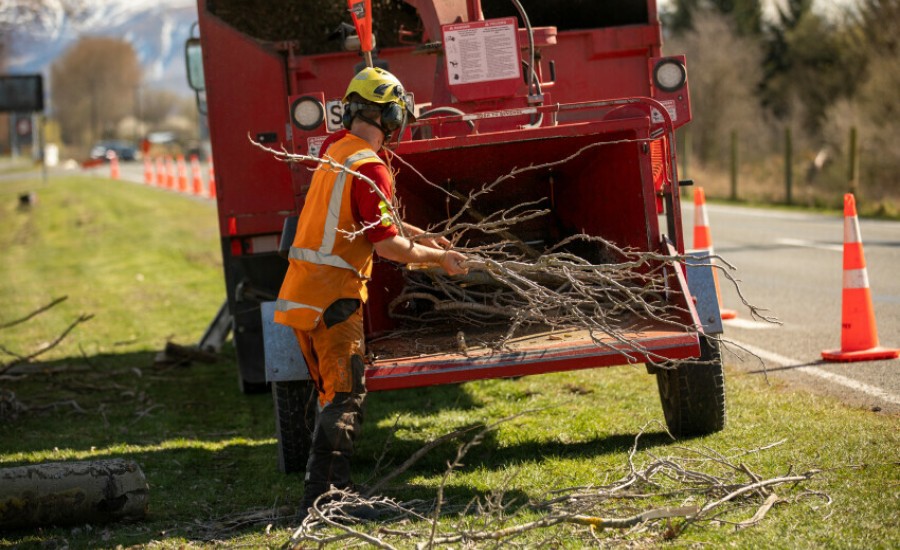
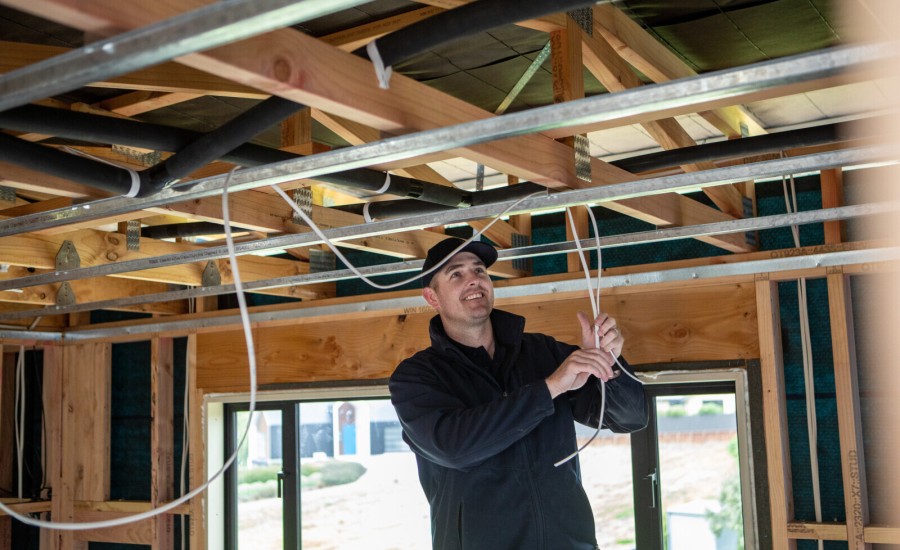
Compliance & Safety Standards
Licensed Building Practitioners (LBP) — Building Act 2004
Electrical Workers — Electricity Act 1992
Plumbers, Gasfitters & Drainlayers — PGDB Act 2006
Site Safe Foundation Passport
Health & Safety at Work Act 2015

Licensed Building Practitioners (LBP) — Building Act 2004
Restricted Building Work (RBW) requires an LBP. RBW includes structural work, external envelope (weathertightness), foundations and certain other elements. Trade Assist verifies LBP licence class, scope and current status against the MBIE LBP register before every placement. Expired or wrong-class LBP = not placed.
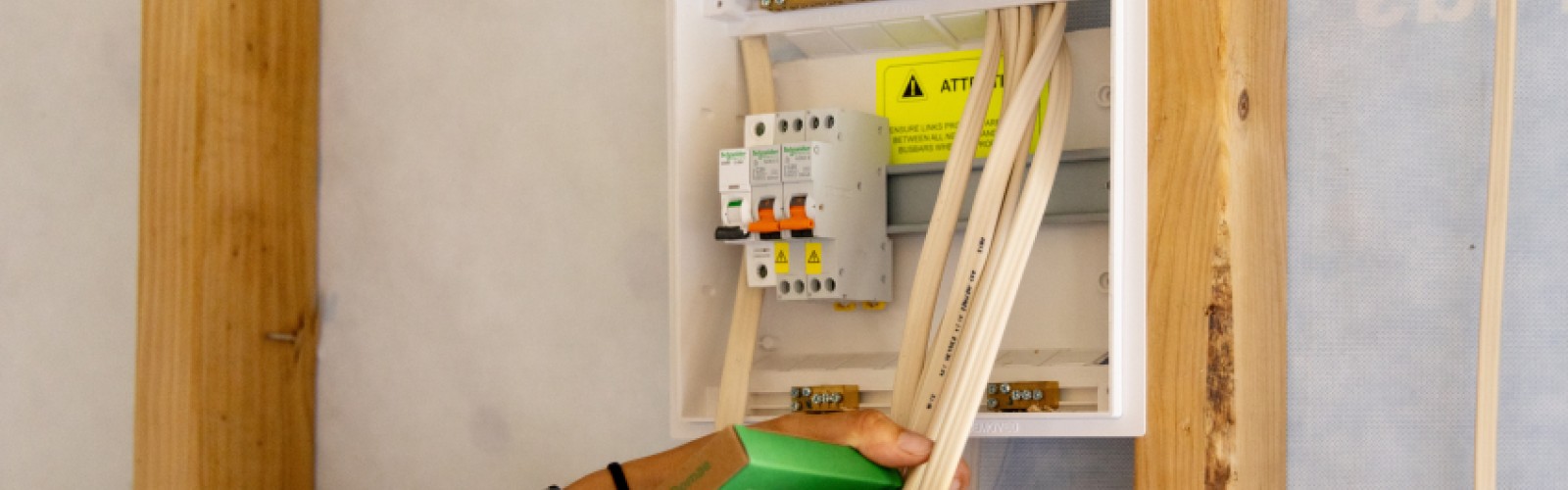
Our Process
Brief submitted
Licence verification
Drug screen
Candidate briefed
Timesheet via Invoxy
On-site support

Brief submitted
Trade required, licence class or LBP scope, work type (residential/commercial/industrial), location, duration or programme. The more detail, the faster we can verify and match.
Opportunities you may be interested in...
{{ jobAd.title }}
{{ jobAd.summary }}
Trades is one of our most specialist pipelines
Trade Assist trades consultants come from construction and building backgrounds — they know LBP scopes, consenting obligations and the difference between a residential and commercial tradesperson. One consultant per account. Not a general staffing desk.





Frequently asked questions
What licensed trades does Trade Assist supply?
Licensed Building Practitioners (LBP — Carpentry, Site 1 and 2, Roofing, External Plastering, Foundations and Design classes), registered electricians (EWRB licence classes A, B, C), licensed plumbers and gasfitters (PGDB Certifying and Journeyman), and licensed drainlayers (PGDB Certifying and Journeyman). Every licence is verified against the issuing body before placement.
What is an LBP and when is one required?
An LBP (Licensed Building Practitioner) is required to carry out or supervise Restricted Building Work (RBW) under the Building Act 2004. RBW includes structural work, external envelope (weathertightness), foundations and certain other elements. Trade Assist verifies LBP licence class and current registration status against the MBIE register before every placement.
Do you supply trades for both commercial and residential projects?
Yes — though we match candidates to the work type. Commercial fitout has different site requirements, LBP scopes, consenting contexts and working conditions than a residential greenfield build. Tell us the project type upfront. Getting this match wrong wastes everyone's time.
How quickly can you place a licensed tradesperson?
For general carpenters and hammer hands: 24–48 hours. For licensed trades — registered electricians, certifying plumbers — allow 48–72 hours. The pipeline is smaller and we won't cut corners on licence verification. Permanent placements follow a full process: typically 1–2 weeks.
Can you supply trades for insurance repair and weathertightness remediation work?
Yes. Insurance repair, leaky building remediation and storm damage restoration is a real sector and one we actively place into across Auckland, Wellington and Christchurch. RBW and LBP supervision requirements apply and we ensure these are met upfront — not discovered mid-project.
Do you supply tradespeople for short-term or project-specific work?
Yes. Project-specific placements are the most common arrangement in trades. We place for defined programmes — residential developments, commercial fitouts, specific infrastructure packages — with known start and end dates. Temp-to-perm is available when both parties want to trial the relationship before committing.